Fix your workplace reporting channels
In a survey of 200+ people in four African countries, many could not clearly report misconduct. Unclear channels cost SMEs trust and morale. How to fix them.
Ask most employees how they would report harassment, fraud or a safety issue, and you get a pause. In a survey I ran across Ghana, Nigeria, Kenya and Côte d'Ivoire, with more than 200 responses, roughly four in ten said the channel for reporting misconduct was unclear or did not exist at all. That gap is quiet, and it is expensive.

What the survey found
- Around 40% of people faced unclear or non-existent reporting channels.
- Even HR and senior leaders were often unsure how issues actually escalate.
- Confusion got worse, not better, in the largest organisations.

Why it costs more than it looks
SMEs are the most exposed. Lean teams and informal processes mean that when a channel is missing, misconduct spreads quietly, trust erodes, good people leave, and a single unaddressed case can turn into a legal problem. A reporting channel is not a compliance box, it is a business safeguard.
Fixing it
Three things close the gap: a clear, documented way to raise an issue; an anonymous option for when people are afraid; and managers who are trained on what to do next.
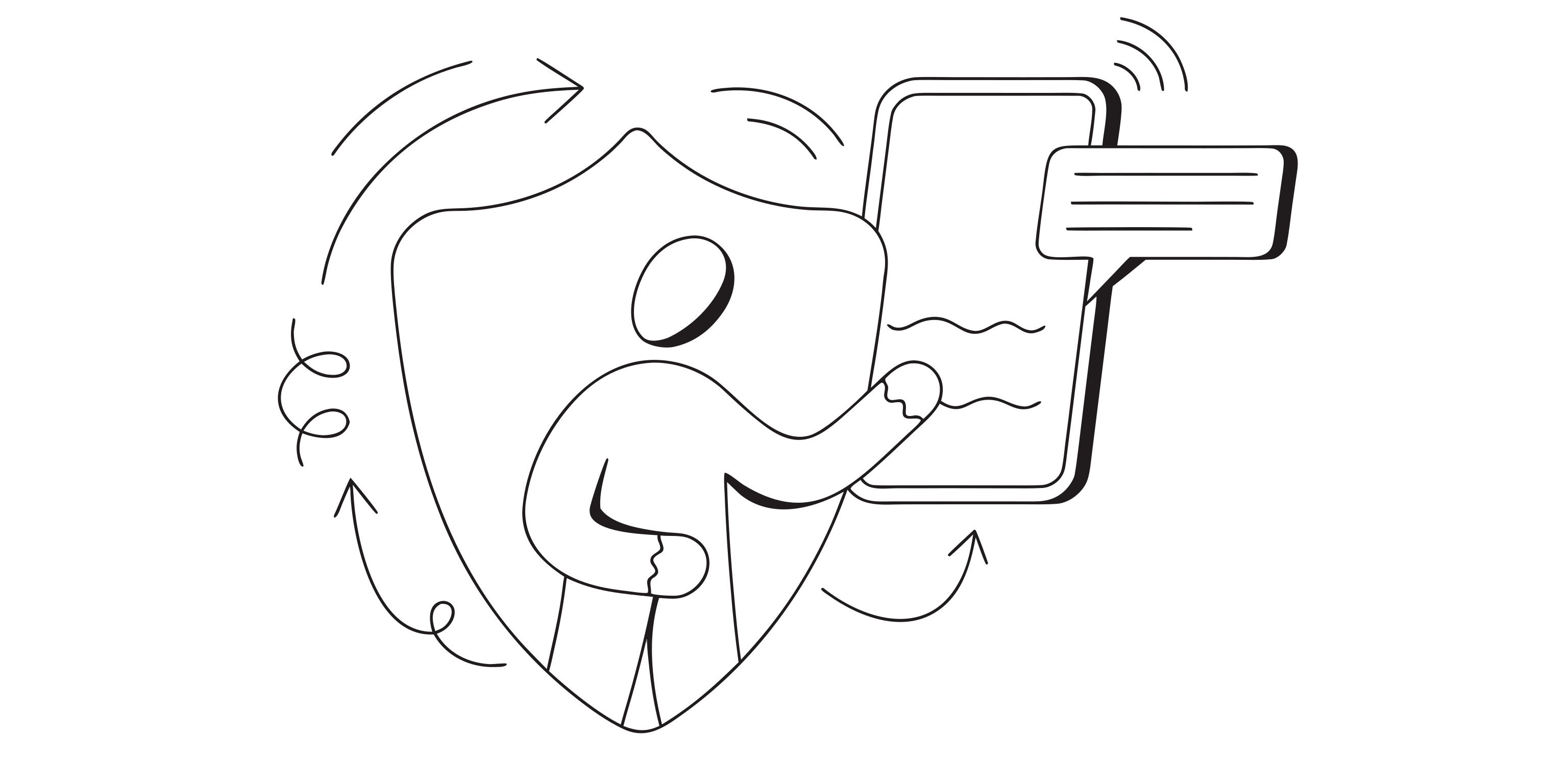
Veridox gives small teams this out of the box: a genuinely anonymous whistleblower report with a case code, reviewers you appoint to handle it confidentially, and optional AI communication-safety scanning that flags serious risks in chat and email before they escalate. The channel is clear, safe and on the record. Veridox is free for three months for teams of up to five. Registrations from December 1, 2026 receive the standard 15-day trial.